
How to Style a Leather Jacket for UK Winters | The Jacket Xpert
Discover how to style a genuine leather jacket for cold, wet UK winters — layering tips, fabric choices, and outfit ideas that keep you warm and sharp.
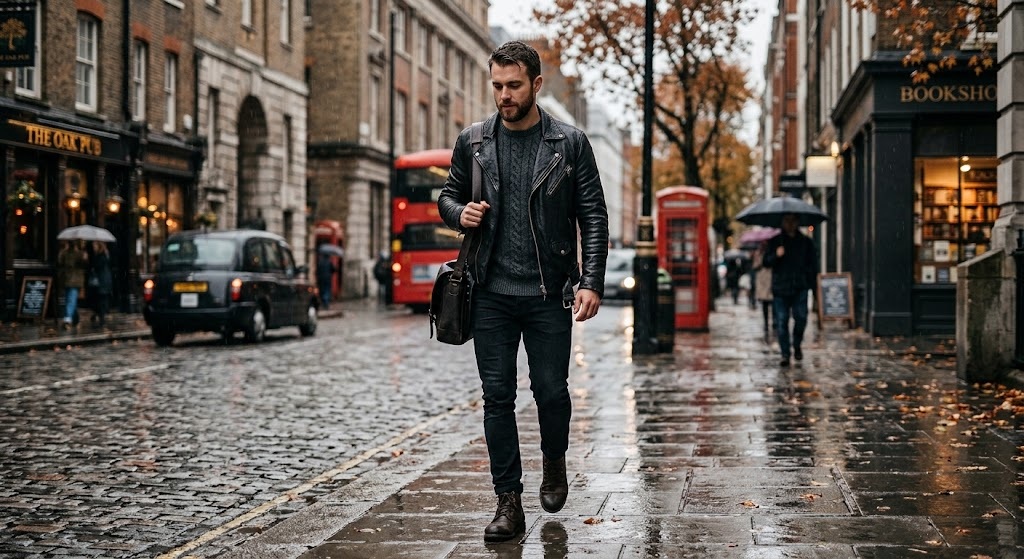
The UK’s winter weather doesn’t make dressing easy. One moment it’s a light drizzle rolling in off the coast, the next it’s a sharp, biting wind cutting straight through anything that isn’t properly layered. Ask anyone who’s lived through a British winter and they’ll tell you the same thing: the weather doesn’t just get cold, it gets damp-cold, which is a different and more stubborn kind of chill than a dry winter elsewhere in the world. A genuine leather jacket, worn the right way, can actually be one of the most practical outerwear choices for this exact kind of climate — but only if you understand how to layer it properly. Get the layering wrong and you’ll either freeze the moment you step outside or overheat the second you step indoors. Get it right, and a leather jacket becomes a genuinely versatile piece you reach for from October through March, working across commutes, weekend outings, and evenings out without ever feeling like the wrong choice for the weather.
This guide goes deep into exactly how to make that happen — not just a quick style tip, but a complete breakdown of leather weight, layering strategy, weatherproofing, and outfit construction specifically built around what UK winters actually demand.
Why Leather Works Better in the UK Than People Assume
There’s a common misconception that leather jackets are a three-season item — great for spring, autumn, and mild days, but not built for proper winter wear. In reality, leather is a naturally dense, wind-blocking material. Unlike knitwear or cotton shells, wind simply doesn’t pass through a quality leather jacket the way it does through woven fabric. The problem was never the leather itself; it’s that most people wear it the same way in December as they do in April, without adjusting what goes underneath or which weight of leather they’re choosing in the first place. Understanding this distinction is the entire foundation of dressing well in leather through a UK winter.
The Physics of Why Leather Blocks Wind So Well
Leather’s density comes from its structure — it’s made of tightly packed collagen fibers that don’t have the gaps and weave patterns that fabric does. This means wind has essentially nowhere to pass through, which is exactly why motorcyclists have relied on leather for decades as protective outerwear against high-speed wind exposure. That same density that protects a rider at motorway speeds works just as effectively against a cold January wind on a city street.
1. Start With the Right Base Layer
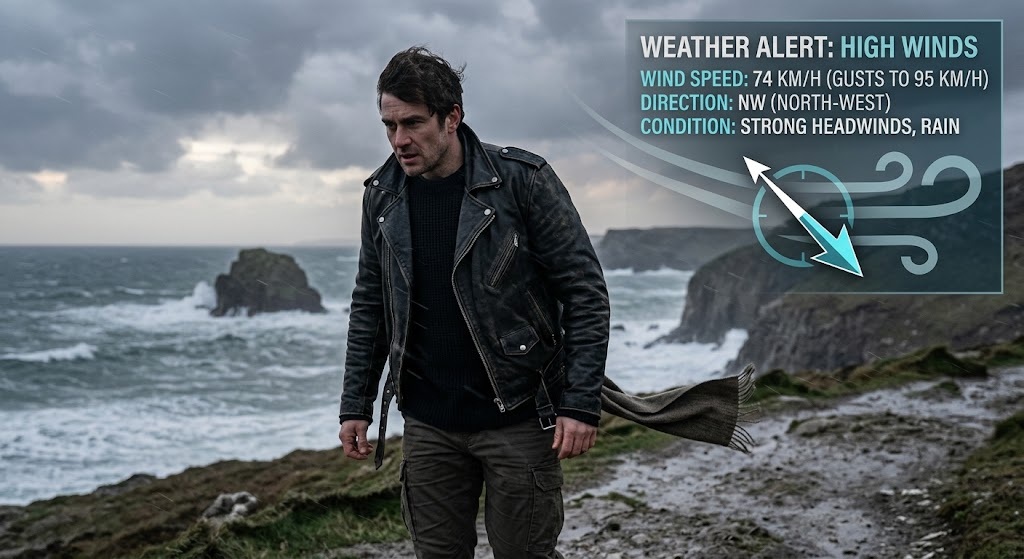
Leather blocks wind extremely well, but it isn’t insulating on its own — it doesn’t trap body heat the way wool or down does. That’s exactly why what you wear underneath matters more than the jacket itself when the temperature drops. A merino wool jumper is one of the best base layers for this purpose because it’s warm without adding noticeable bulk, meaning the jacket still sits close to the body and keeps its natural shape rather than looking overstuffed. A heavyweight cotton hoodie is a solid alternative for a more casual look, particularly under a bomber-style jacket. Avoid anything too thick or structured underneath a fitted jacket, as it will distort the silhouette and make the jacket harder to close properly.
Merino Wool vs Cotton vs Thermal Base Layers
Merino wool has a natural advantage over cotton in cold, damp conditions because it continues to insulate even when slightly damp, whereas cotton loses much of its warmth once moisture gets into the fibers — a real consideration in a climate where a light drizzle is a near-daily possibility. Modern thermal base layers, made from technical synthetic blends, offer even more warmth-to-thickness efficiency than either option, making them ideal for the coldest weeks of the year when you need maximum warmth without adding visible bulk under a fitted jacket.
| Base Layer | Warmth | Bulk | Best For |
|---|---|---|---|
| Merino wool jumper | High | Low-Medium | Most winter days, versatile |
| Cotton hoodie | Medium | Medium | Casual looks, milder days |
| Thermal base layer | Very High | Very Low | Coldest weeks, under fitted jackets |
2. Choose a Heavier Leather Weight for Winter
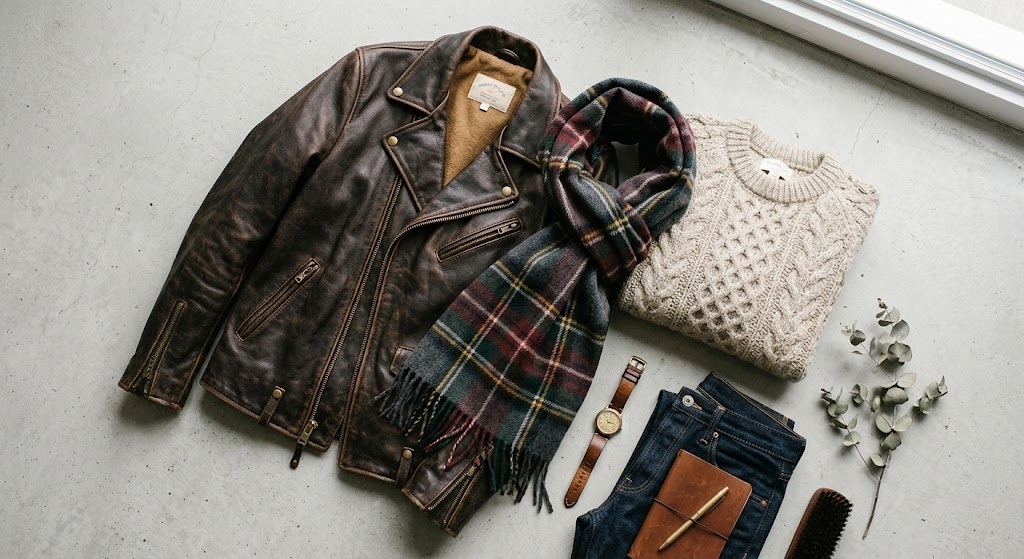
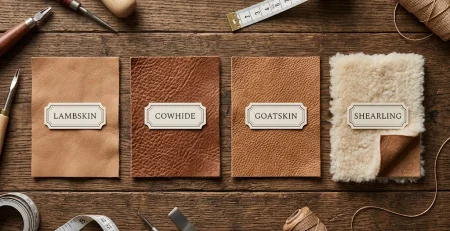
Not all leather jackets are built the same, and this is where a lot of people get caught out buying based on style alone rather than weight and construction. A lightweight lambskin jacket is genuinely excellent for spring and early autumn — it’s soft, flexible, and comfortable in mild temperatures. But for a proper UK winter, where wind chill and persistent damp cold are the norm rather than the exception, a thicker cowhide leather jacket with a soft inner lining performs dramatically better. Cowhide is denser, more wind-resistant, and holds its structure even when the temperature drops well below what lambskin is comfortable in. If you’re only going to own one leather jacket for year-round UK wear, cowhide is the safer, more versatile choice.
Understanding Leather Weight Measurements
Leather thickness is typically measured in ounces, with each ounce roughly equal to 1/64th of an inch. Lighter garment leathers used for lambskin jackets often sit in the 2-3 oz range, prized for softness and drape. Heavier cowhide used in winter-appropriate jackets typically runs from 3-5 oz or more, providing the added density needed for genuine wind and cold resistance. When shopping, don’t hesitate to ask a seller directly about the leather weight if it isn’t listed, since this single spec tells you more about winter suitability than almost any other detail.
Lining Matters as Much as the Leather Itself
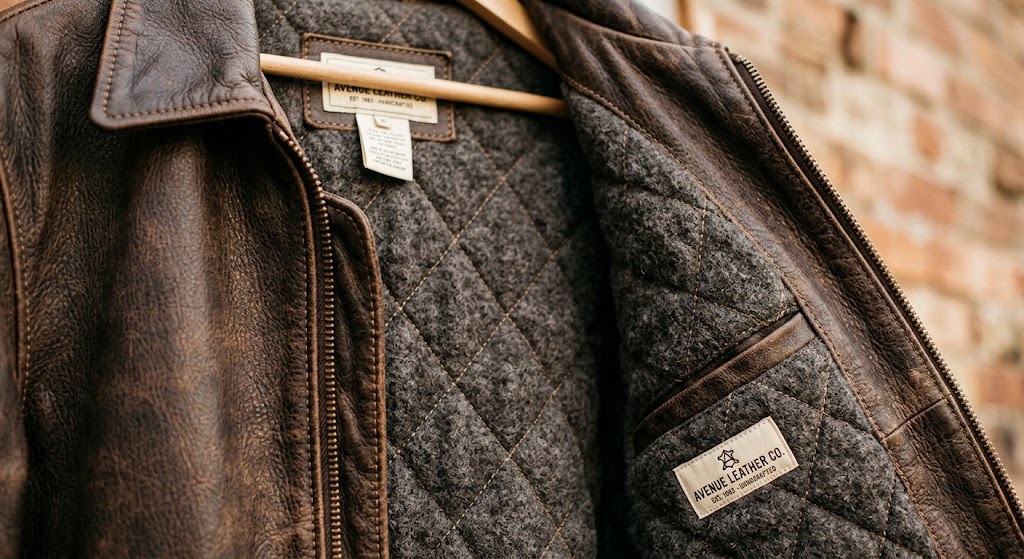
A quality winter leather jacket isn’t just about the outer hide — the interior lining plays a huge role in actual warmth. Quilted or fleece linings trap significantly more body heat than a simple satin lining, which is really there for ease of putting the jacket on and off rather than insulation. If warmth is a genuine priority for winter wear, prioritize a jacket with a proper insulated lining over one that’s simply made from thick leather with a thin lining.
3. Add a Scarf and Gloves Without Losing the Silhouette
A chunky knit scarf tucked into the collar of a leather jacket does two jobs at once: it adds real warmth around the neck, which is one of the areas we lose heat fastest, and it adds a textural contrast that makes the whole outfit look more considered rather than just “jacket and jeans.” Leather gloves are the natural pairing here, both functionally and stylistically — they keep hands protected from wind and cold, and they age alongside the jacket itself, developing the same kind of character and patina over time. Avoid bulky ski-style gloves with a leather jacket; they clash texturally and visually overwhelm a fitted outfit.
Choosing the Right Scarf Weight and Color
A medium-weight wool or cashmere-blend scarf works better than an extremely thick, bulky option, which can overwhelm the jacket’s collar and make the whole neck area look disproportionate. In terms of color, neutral tones — charcoal, camel, burgundy — tend to pair more naturally with leather than bright or heavily patterned scarves, which can pull visual attention away from the jacket itself.
4. Waterproof Where It Matters
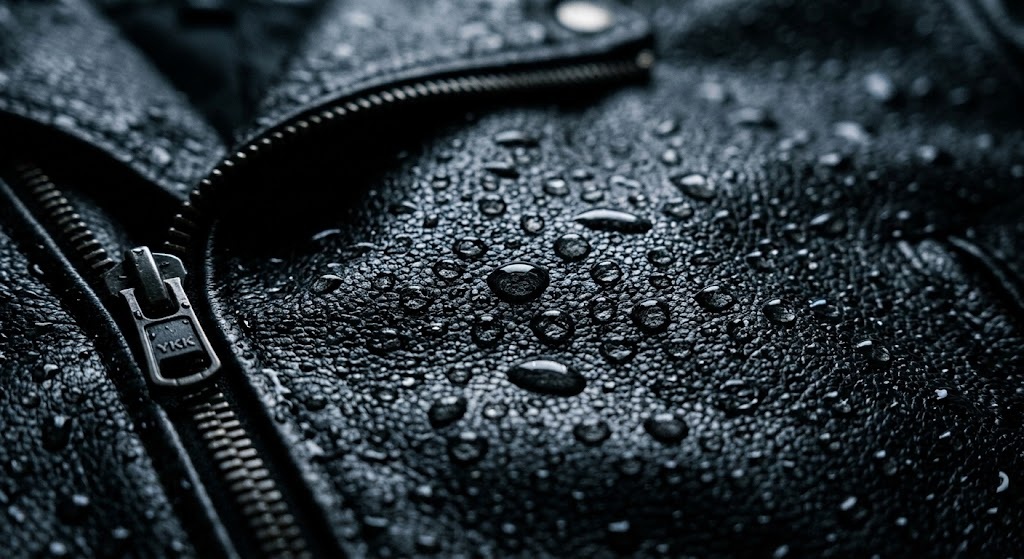
UK winters mean rain as much as cold, and this is genuinely the detail most people neglect. A quality leather jacket with a treated or waxed finish naturally resists light rain reasonably well on its own, but relying on that alone over months of exposure is a mistake. It’s worth applying a proper leather protectant spray at the very start of the season — before the first heavy rain, not after the first water stain appears. This single step prevents the two most common forms of leather damage in wet climates: surface staining and the gradual stiffening and cracking that comes from repeated wet-dry cycles without any protective barrier.
How Often Should You Reapply Protectant?
As a general rule, once at the start of the cold season and once again around the midpoint of winter is enough for most people in the UK climate. If you’re commuting on foot or cycling regularly in exposed conditions, consider reapplying slightly more often, since the leather is taking more direct exposure than someone who’s mostly moving between indoor spaces and short outdoor walks.
What to Do If Your Jacket Gets Caught in Heavy Rain
If you do get caught in genuinely heavy rain without protection applied, don’t panic — leather can usually recover fine as long as you handle the drying process correctly. Wipe off excess water immediately with a soft cloth, then hang the jacket to air dry naturally at room temperature, away from any direct heat source. Once fully dry, check for any stiffness and apply a conditioner if needed before your next wear.
5. Layer Smart for Evening Outings
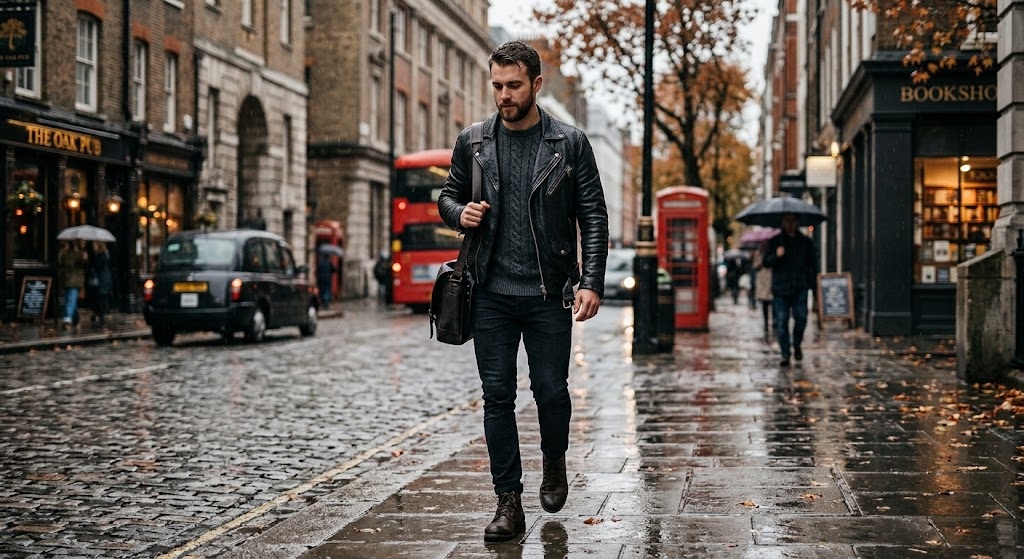
For colder evenings — heading out after dark when temperatures drop further — wear the jacket over a thin thermal base layer and a shirt, rather than a single thick jumper. This combination keeps you genuinely warm without looking bulky, and it makes the jacket far easier to remove indoors without leaving you stuck wearing something too heavy for a warm restaurant or bar. Thermal layers have improved significantly in recent years and now offer real warmth without the bulk older thermal wear used to have, making this combination much more comfortable than it sounds.
Layering by Temperature: A Practical Breakdown
Not every UK winter day is equally cold, and adjusting your layering to the actual temperature rather than using the same combination every day makes a real difference in comfort. Here’s a rough breakdown to work from.
| Temperature Range | Recommended Layering |
|---|---|
| 10-15°C (mild) | Leather jacket over a light jumper or shirt, no scarf needed |
| 5-10°C (cool) | Leather jacket over merino wool jumper, light scarf optional |
| 0-5°C (cold) | Leather jacket with thermal base layer, scarf and gloves |
| Below 0°C (very cold) | Consider a lined shearling-style jacket instead, or heavy thermal layering under cowhide |
Footwear Pairings for Winter Leather Jacket Outfits
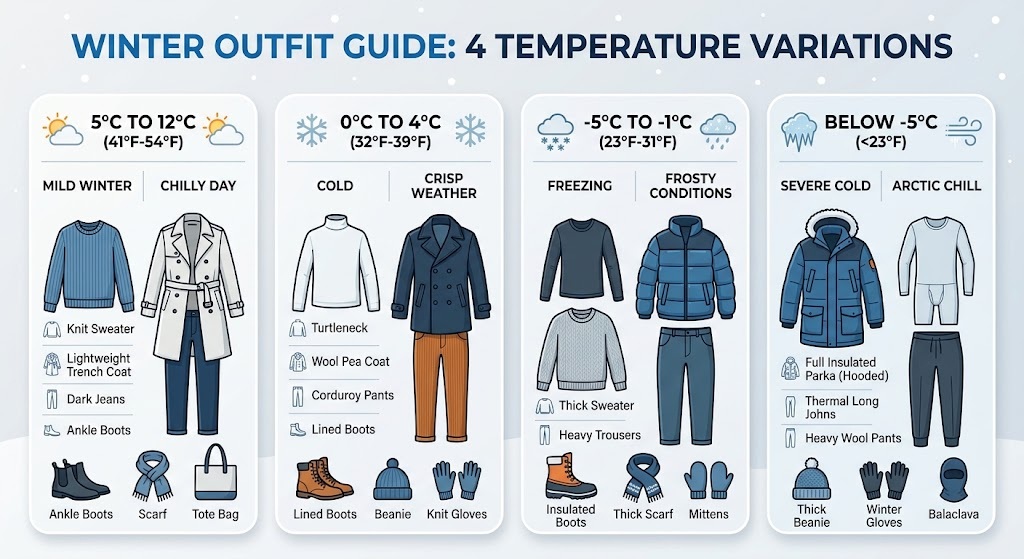
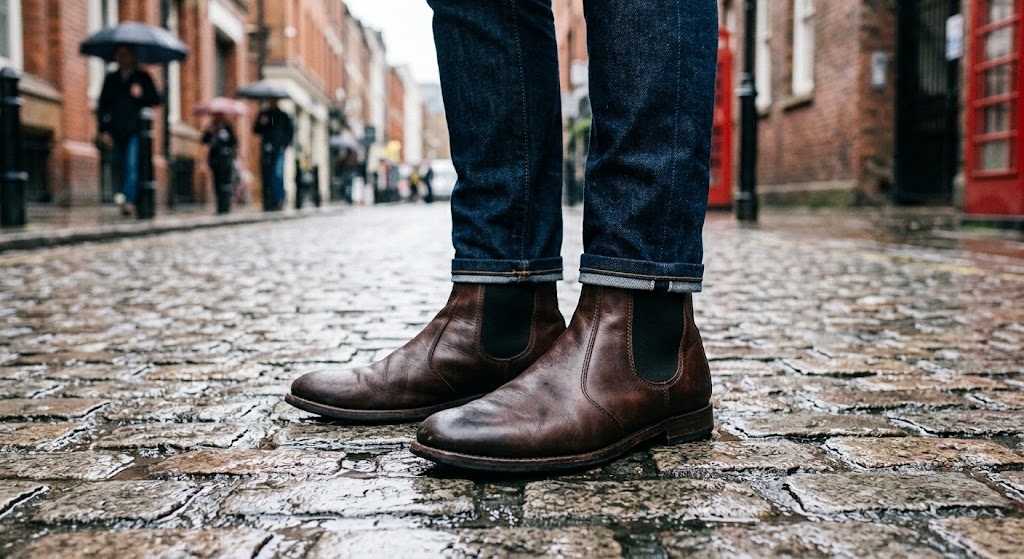
Footwear plays a bigger role in a winter leather jacket outfit than people often consider, both for style cohesion and practicality on wet British pavements. Leather boots are the most natural pairing — they echo the jacket’s material, provide better grip and water resistance than sneakers on wet surfaces, and generally read as more weather-appropriate for the season. Chelsea boots in particular work well with both fitted motorcycle-style jackets and looser bomber cuts. Sneakers can still work for a more casual daytime look, but choose a pair with a slightly rugged sole if you’re regularly walking on wet or icy pavements, both for safety and to avoid ruining a delicate pair of shoes in bad weather.
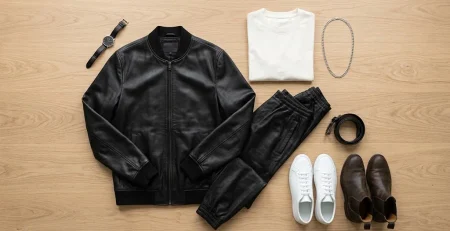
Putting It All Together: A Sample UK Winter Outfit
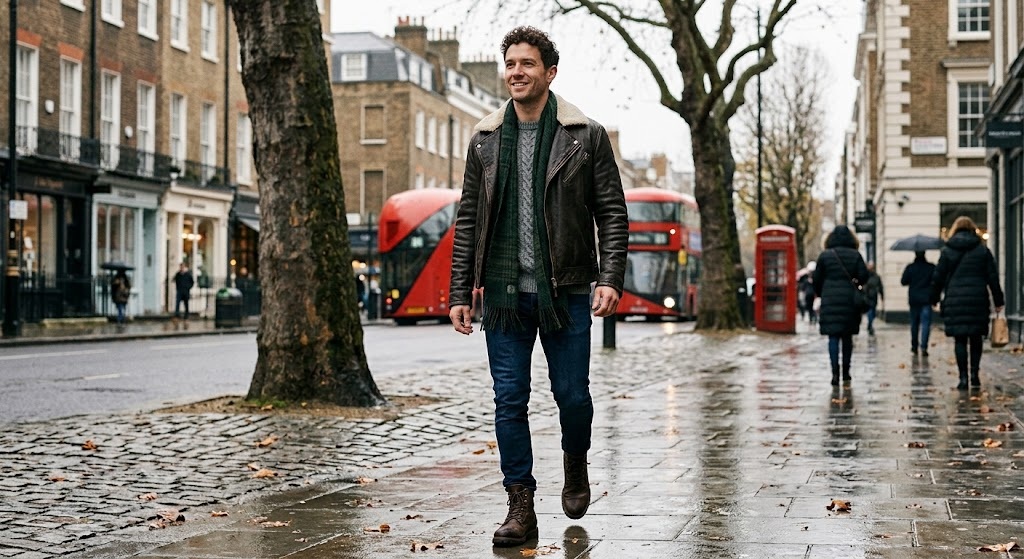
- Base layer: Merino wool jumper or thermal top
- Outer layer: Heavier-weight cowhide leather jacket with lined interior
- Neck: Chunky knit scarf
- Hands: Leather gloves
- Bottom half: Dark denim or wool trousers, paired with weather-appropriate boots
This combination covers the three things a UK winter outfit genuinely needs: wind resistance from the leather itself, real warmth from proper layering underneath, and enough water resistance to handle an unexpected shower without ruining the jacket. It’s a formula that works whether you’re commuting, running errands, or heading out for the evening.
Common Mistakes People Make Styling Leather in Winter
- Wearing the same lightweight jacket year-round — a jacket that’s perfect for September often isn’t warm enough for January without proper layering underneath.
- Skipping weatherproofing entirely — assuming leather is naturally waterproof without any treatment, then being surprised when staining occurs after repeated rain exposure.
- Over-layering to the point of distorting the jacket’s fit — piling on too many thick layers underneath a fitted jacket, which strains seams and ruins the silhouette.
- Ignoring footwear — pairing a well-styled winter jacket with unsuitable summer sneakers that offer no grip or water resistance on wet pavements.
- Neglecting hand and neck warmth — focusing entirely on the jacket while leaving hands and neck exposed, which affects overall comfort far more than people expect.
Transitioning Your Leather Jacket From Autumn Into Deep Winter
One of the most practical ways to get long-term value from a single leather jacket is understanding how to transition its styling as the season deepens, rather than assuming you need entirely different jackets for October versus January. In early autumn, wear it over a simple shirt or light jumper with no additional accessories needed. As temperatures drop through November and December, add the scarf, switch to a heavier base layer, and bring in gloves. By the coldest weeks of January and February, you’re at the full layering formula described above — thermal base layer, scarf, gloves, and weather-appropriate boots. This progressive approach means a single well-chosen jacket can genuinely carry you through the entire UK cold season rather than becoming unsuitable the moment real winter arrives.
Caring for Your Jacket Through Heavy Winter Use
Winter is the season your leather jacket works hardest, which means it also needs the most attentive care during these months. Beyond the protectant spray covered earlier, plan to condition the leather at least once during the peak winter months, since cold air combined with indoor heating creates exactly the dry conditions that cause leather to crack over time. Keep a soft cloth handy to wipe down the jacket after any exposure to salt residue from winter pavements, which can be more damaging to leather than plain water if left untreated.
Is a leather jacket warm enough for UK winter?
Yes, when paired with the right base layers. A heavier cowhide leather jacket with a lined interior, worn over a wool jumper, performs well even in cold, damp conditions typical of a British winter.
Can leather jackets get damaged in the rain?
Light rain is fine for treated leather, but prolonged exposure without any protection can cause staining and gradual stiffening. A leather protectant spray applied at the start of the season prevents this.
What’s the best leather type for cold climates?
Cowhide leather is thicker, denser, and more weather-resistant than lambskin, making it the better choice for consistently cold and damp UK winters.
Can I wear a leather jacket every day in winter?
Yes, as long as it’s properly conditioned and protected against moisture, a genuine leather jacket can be worn daily through the winter months without issue.
What should I wear under a leather jacket in freezing temperatures?
A thermal base layer is the most effective option for very cold days, since it provides high warmth without adding bulk that would distort the jacket’s fit.
Do I need a different jacket for extremely cold days below freezing?
Not necessarily — a heavier cowhide jacket combined with proper thermal layering underneath can handle most UK winter conditions, though a lined shearling-style jacket offers additional warmth for the coldest weeks.


Leave a Reply